





1898
Two years after the first Olympic Marathon and one year after the inaugural Boston Marathon, Saucony footwear is founded by four young men: William A. Donmoyer, Thomas S. Levan, Walter C.C. Snyder and Benjamin F. Reider. The company took its name from Saucony Creek which flows next to the original factory in Kutztown, Pennsylvania.

1910
Saucony is manufacturing over 800 pairs a day from their small two-story brick factory in Kutztown, after their shoes become popular. Meanwhile, Abraham Hyde, a Russian immigrant cobbler, opens a small shoe shop in Cambridge Massachusetts. This single shop would eventually become Hyde Athletic Industries.
1958
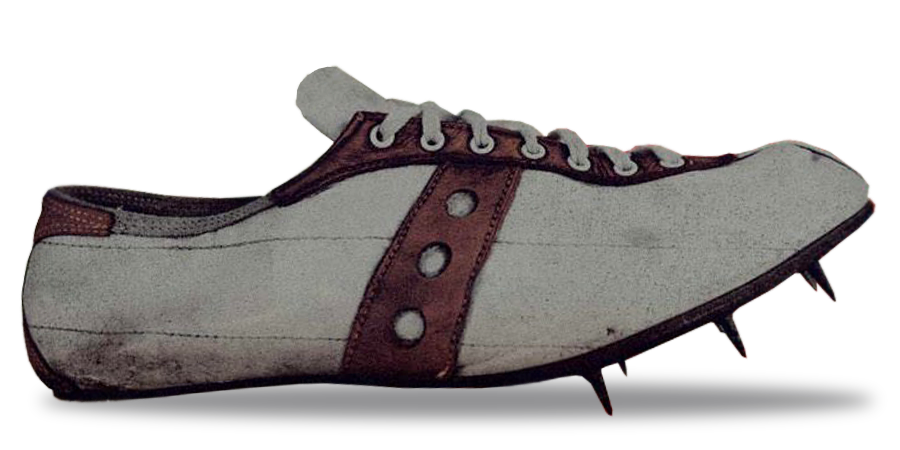
Saucony launches the world’s first high-performance running shoe, the 7446 spike, to meet the demands of serious athletes. Until the launch of the model, dedicated running shoes didn’t exist, despite the popularity of running which had grown significantly in the first half of the century.

1968
Saucony’s shoe line faces increased competition from upstart brands such as Nike and Reebok. In order to compete, the company found a new home in the stable of Hyde Athletic Industries, which had grown to become one of the largest manufacturers of footwear in the United States and buys Saucony.
1977
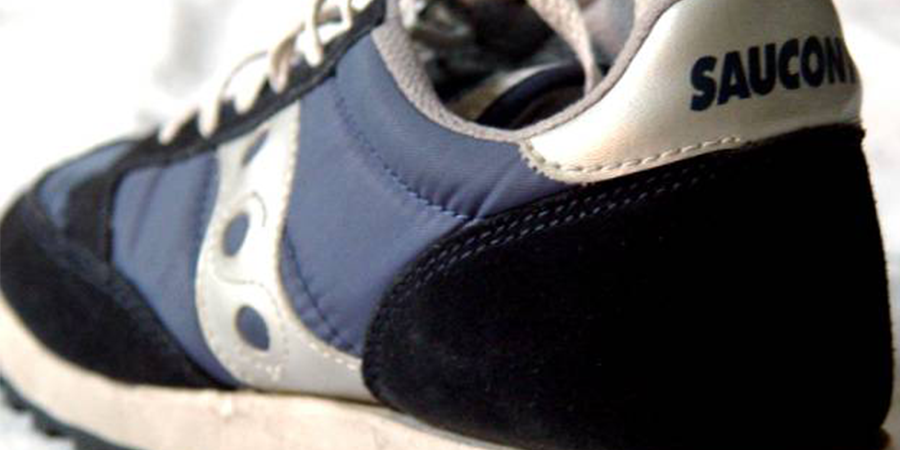
The company is awarded “best quality” footwear brand by Consumer Reports Magazine. This results in an upswing in sales for the brand with revenue hitting $27 million by the end of 1978 and the brand becomes a favourite amongst pro runners.
1979
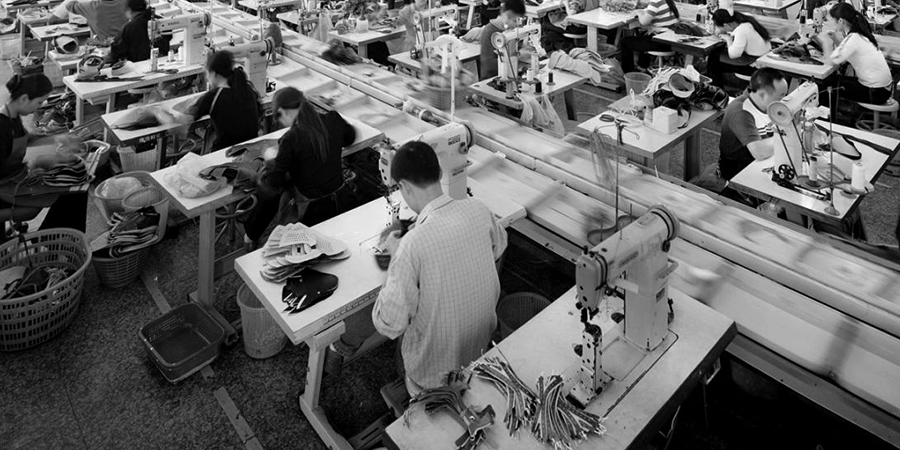
Despite increasing sales, profits are squeezed by stiff competition and the fact Saucony’s products are manufacturing in the US. By the end of the decade, it was decided that to survive the company would have to move component manufacturing to Asia but keep final assembly in the United States.
1980
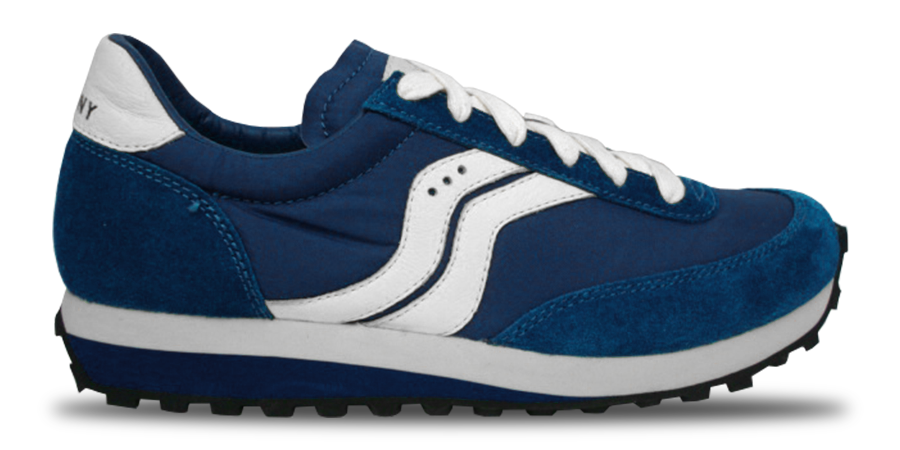
Saucony launches the Trainer 80, which eventually comes to epitomise 80s running shoe style. It’s one of the first running shoes not to feature a cardboard layer between the sole and upper, for a softer and more comfortable feel.
1981
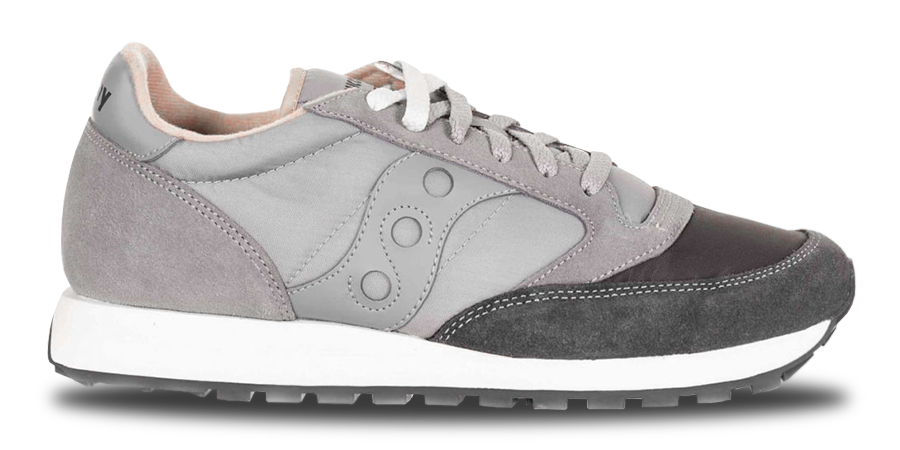
The Saucony Jazz is launched and quickly picks up awards for its quality. Already a known force with serious athletes, Saucony breaks through into mainstream awareness as a high quality sports shoe brand and the Jazz goes on to become one of its most popular models.
1984
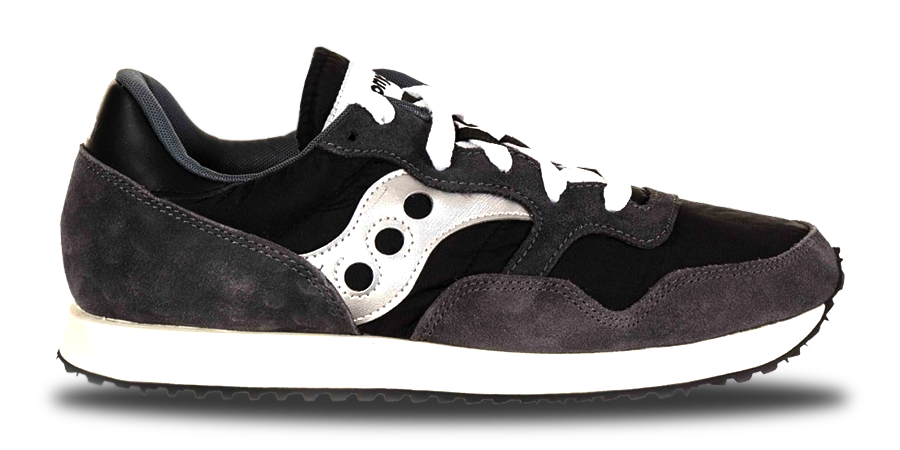
Saucony launches the DXN Trainer, designed by legendary runner Rod Dixon. After years of refusing to endorse or sponsor professional athletes, Saucony also partners with its first brand ambassador, NFL superstar O.J Simpson.
1985
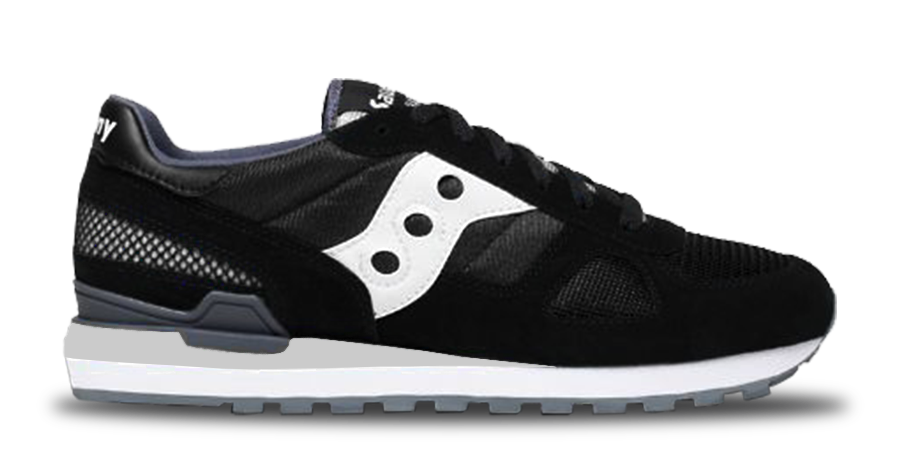
Saucony releases the Shadow Original and expands rapidly due to the increased popularity its shoes. As a result, the company opens a new head office and research facility in Peabody, Massachusetts. This facility would later become the Saucony Performance and Innovation Center.
1986
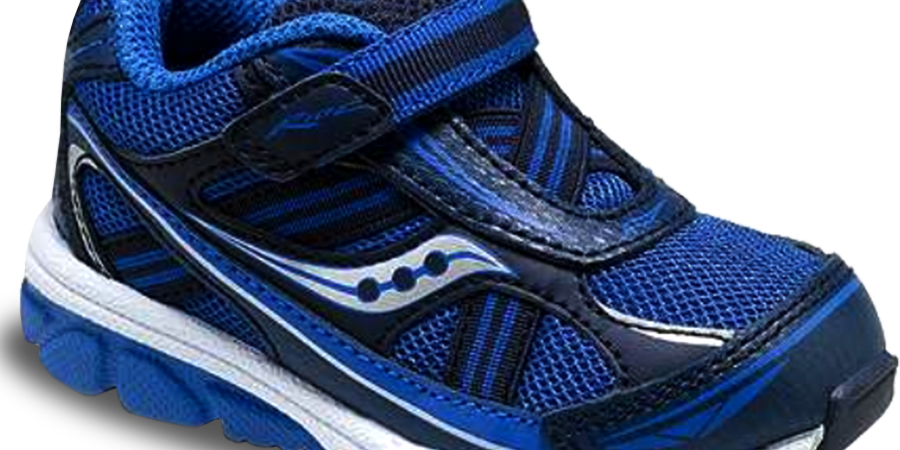
Keen to expand its product line, the company acquires the children's footwear brands Brookfield and PF Flyer. This brought the popular Keds sneaker, the most popular post-war children's footwear brand, into the family.
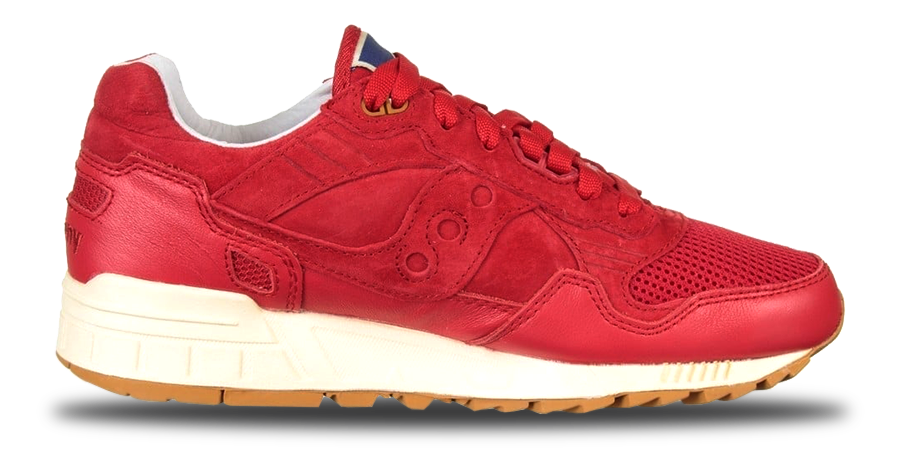
1989
Due to the continued success of the Saucony brand, Hyde Athletic Industries changes its name to the Saucony Shoe Company. It releases the Shadow 5000 sneaker which pushed boundaries at the time for running shoe construction.
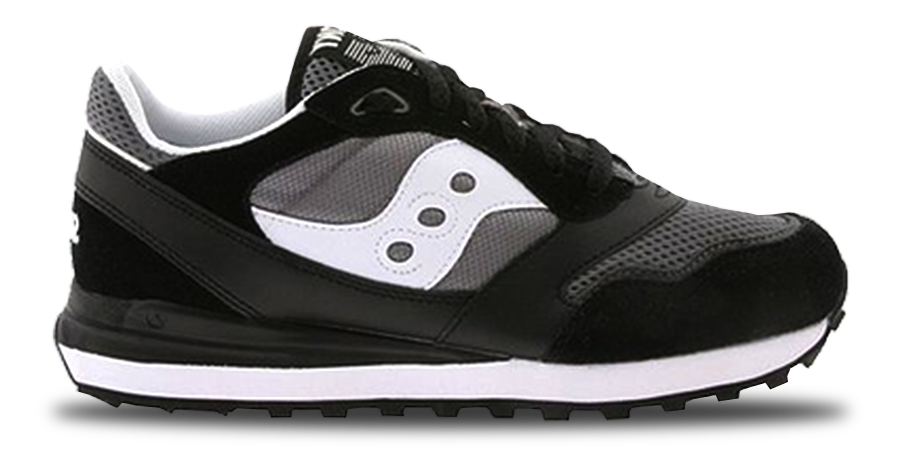
1990
The Jazz 3000 shoe is awarded both “best buy” and “top rating” by Consumer Reports Magazine. This saw a huge surge in orders with the number of outlets stocking the brand increasing by almost 25% in a single year.
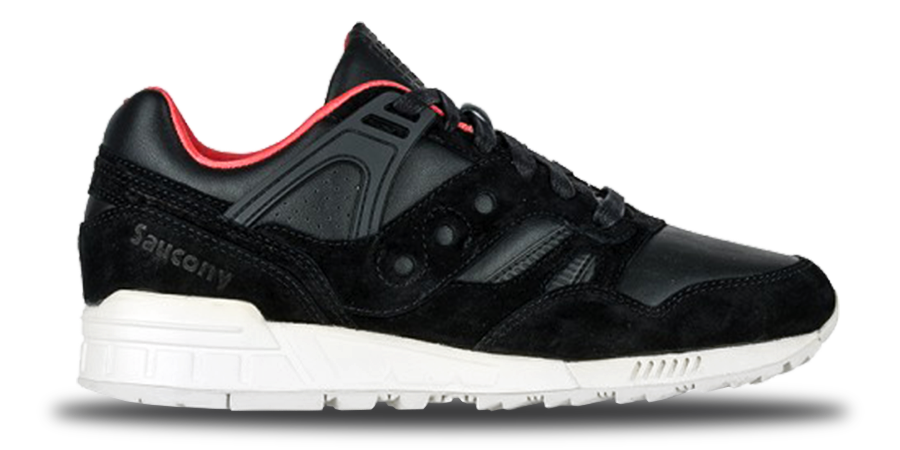
1991
Saucony launches the iconic Grid SD, the first model to feature the brand’s innovative GRID cushioning system. Still popular, the model has been reissued in a range of materials and colourways to meet the demands of present day customers.
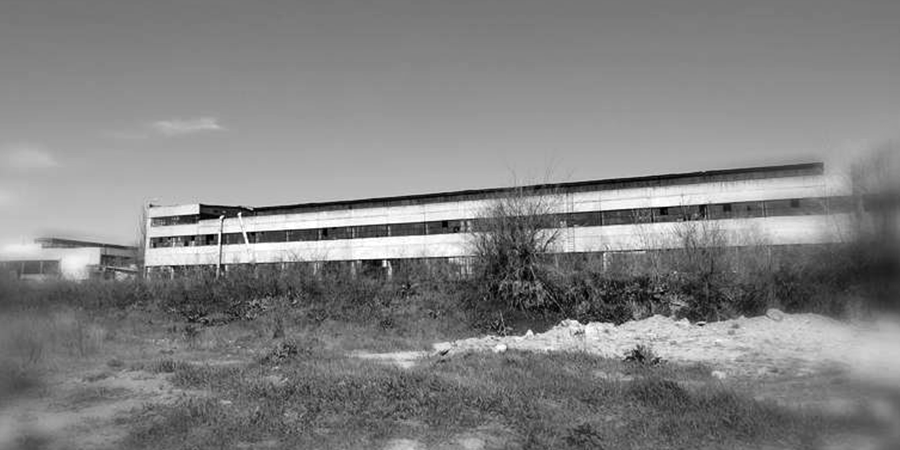
1993
In order to cope with increased orders for its products, Saucony retools its Bangor Maine manufacturing facility, increasing capacity threefold. By the end of the year, sales had surpassed $100 million for the first time.
1995
By the mid-nineties the company was on the acquisition trail again, snapping up the popular Quintana Roo brand which manufactures professional triathlon and cycling shoes along with wetsuits and swimwear.
2003
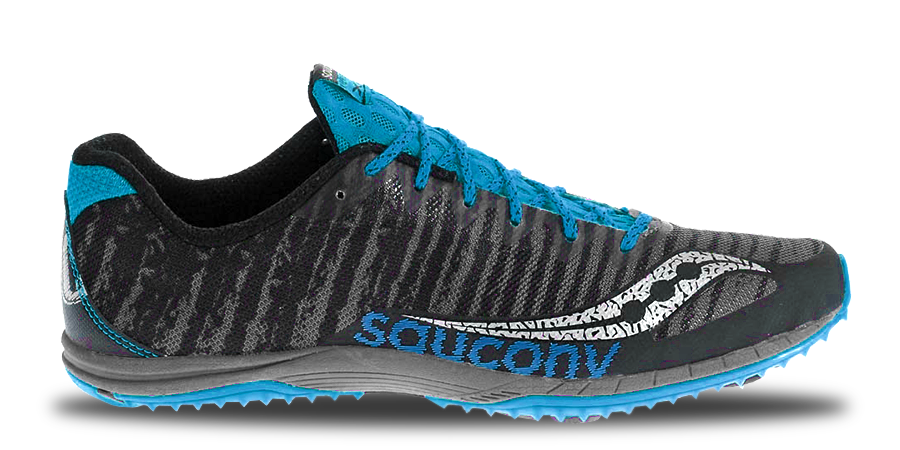
Saucony launches the Kilkenny XC Spike. This revolutionary running shoe combines lightweight construction with ultra-durable materials to produce a high-performance XC shoe that fits like a slipper.
2006
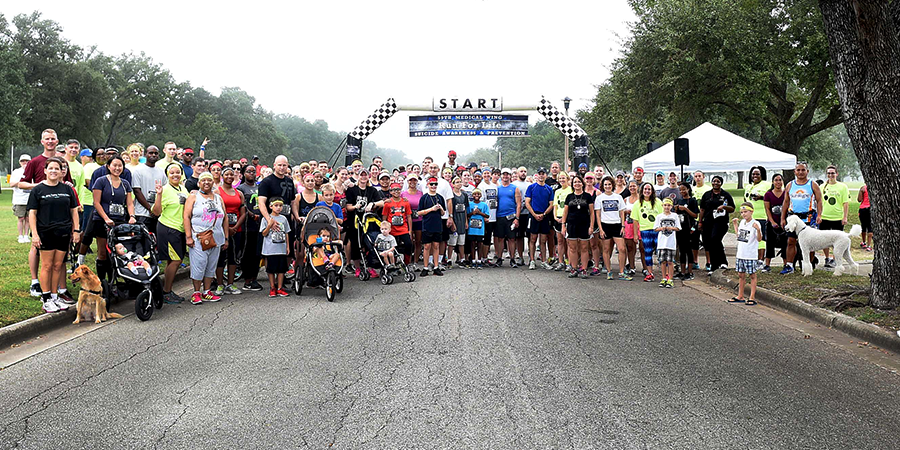
In an effort to combat the childhood obesity crisis, Saucony launches the Run for Good Foundation. To date, this has raised over $1 million dollars for charities which help kids commit to an active and healthy lifestyle.
2008
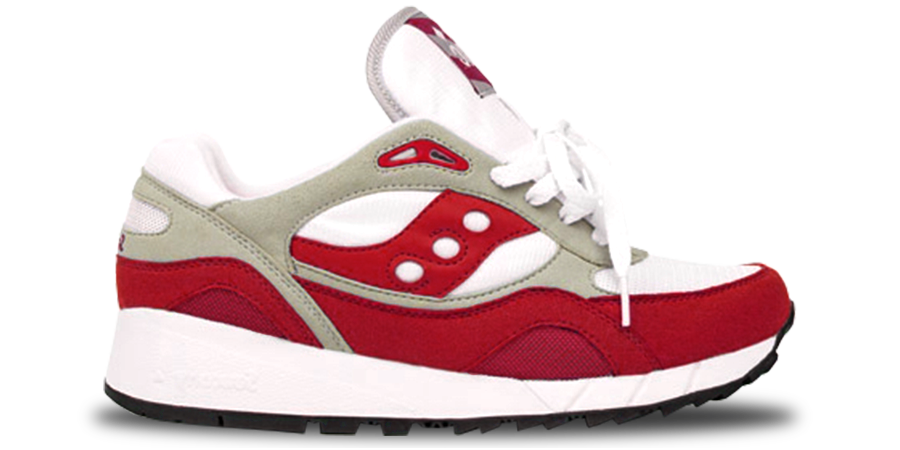
One of Saucony’s earliest collaborations is with New York streetwear brand Alife, which sees the release of three Shadow 6000 models. The two brands would collaborate on further releases in the coming years.
2009
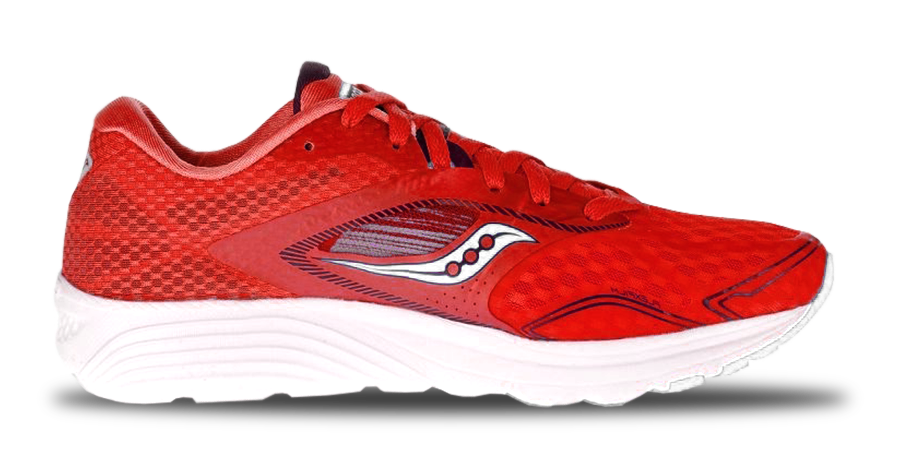
Saucony launches the Kinvara running shoe which uses a revolutionary lightweight construction to provide exceptional ride and comfort for the runner. The shoe pioneers a revolutionary 4mm heel-to-toe drop that goes on to transform the entire running shoe market.
2011
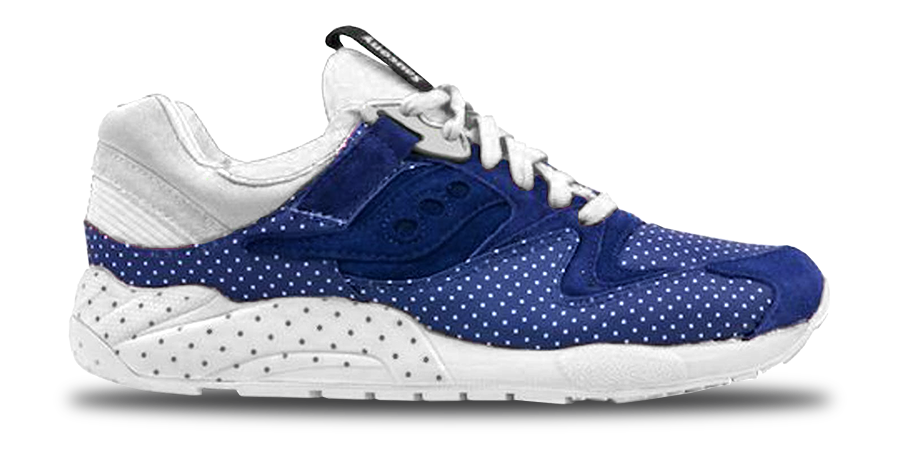
Saucony collaborates with Boston based store Bodega to release the ‘Polka Dot’ pack, featuring Grid 9000 and G9 Shadow 6 models.

2014
Saucony collaborates with New York streetwear store Extra Butter to release the ‘Space Race’ pack, which includes special edition versions of the popular Grid 9000 and Shadow Master. Over the coming years Saucony releases a growing number of collabs and limited edition of its classic models.
2015
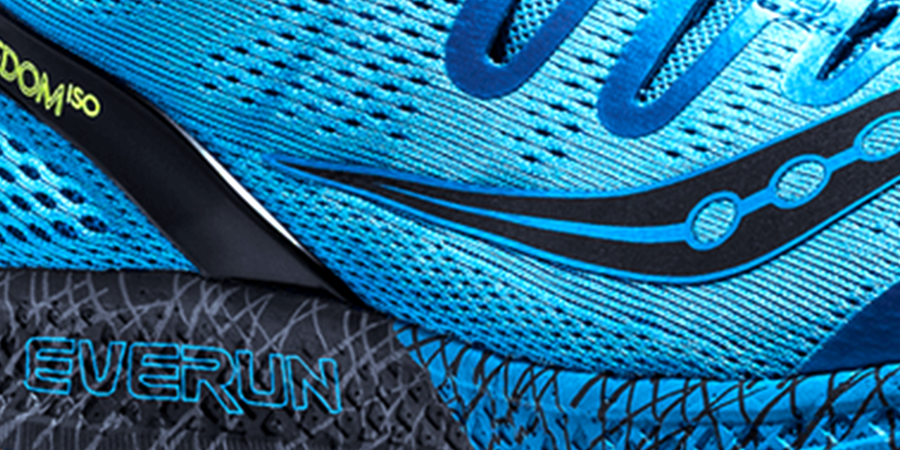
Saucony launches a new cushioning system for running shoes called EVERUN, which is designed to return more energy to runners by placing an extra cushioning layer above the midsole, directly below the foot.
2016
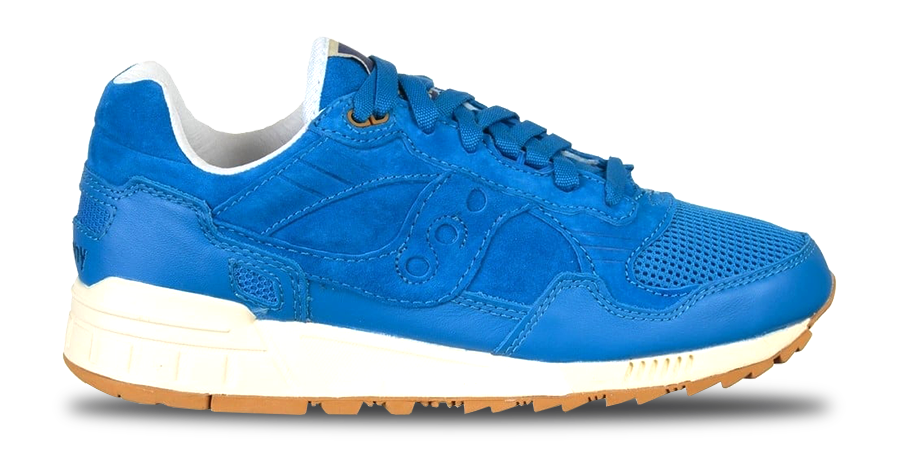
Applying insights gained from the Saucony Performance and Innovation Center, heel-to-toe drops are lowered across the core Saucony running range from 12mm to 8mm.

2017
Saucony launches its Stride Lab app which recommends a series of customised exercises and drills to runners to help them to improve their performance.
Shop Saucony


